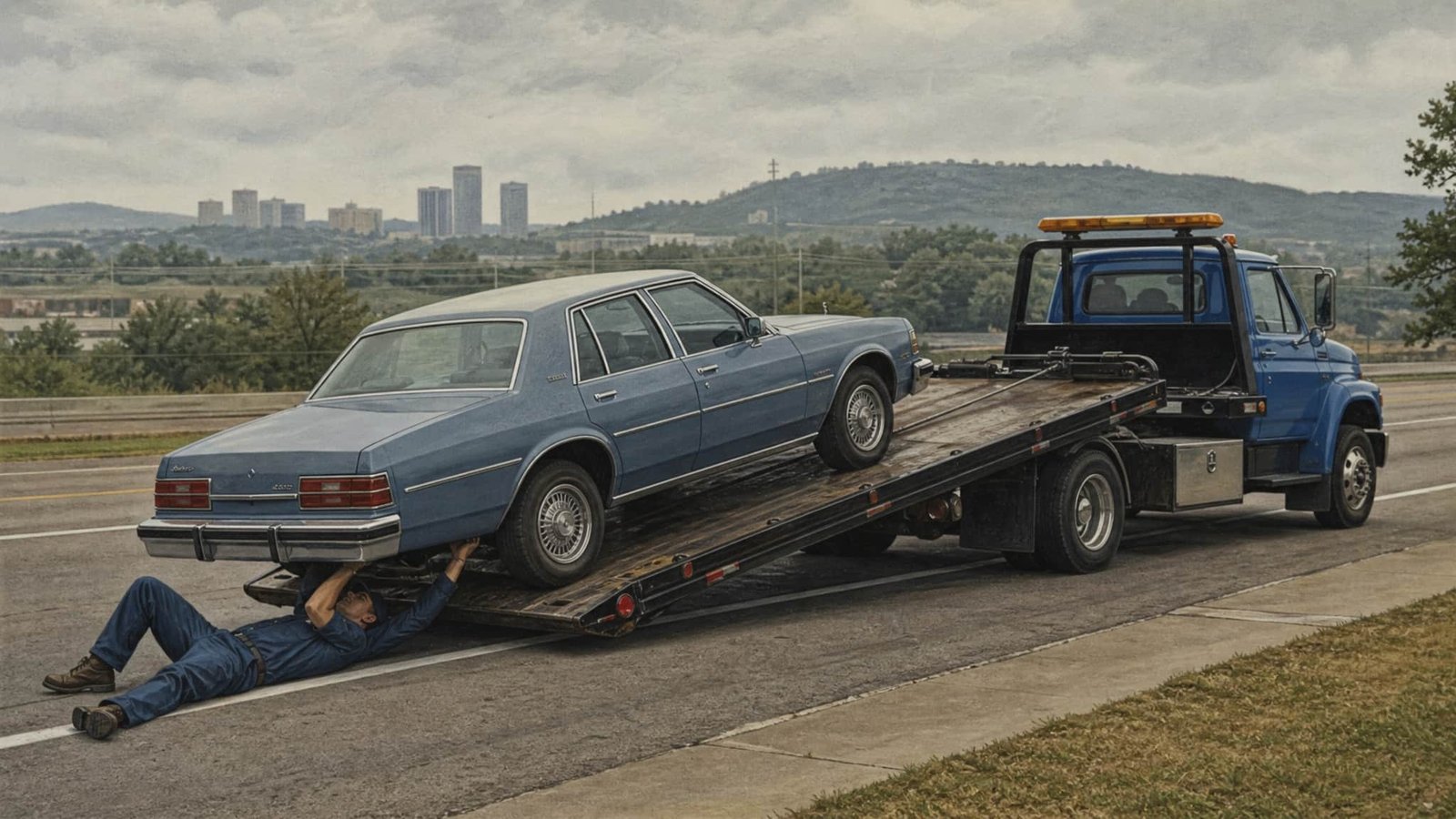
Breaking down on the Mingo Valley Expressway or getting a flat near the Gathering Place is stressful enough without wondering who’s actually going to show up. When your vehicle fails, you need more than a truck. You need someone who knows Tulsa roads and treats your car like it matters. Finding the best roadside assistance in Tulsa means looking past the national ads and finding operators who actually live here, keep modern equipment on the trucks, and answer their own phones. Here’s what actually separates real local service from a distant call center.
Roadside Assistance vs Towing: Knowing the Difference
Drivers use these terms interchangeably, but the difference matters when you’re stuck on the shoulder. Roadside assistance covers the quick fixes: jump starts, fuel delivery, lockouts, tire changes when you’ve got a working spare. Towing comes into play when the vehicle can’t be driven safely, whether that’s accident damage, a blown transmission, or suspension trouble. A good operator handles both without pushing a tow when a battery boost would’ve done the job.
You deserve someone who’ll tell you straight whether your car can be fixed curbside or needs a real trip to the shop. Knowing the signs your car needs towing instead of roadside repair saves you from further damage and from paying for a haul you didn’t need. Some problems look minor and aren’t. It takes an experienced eye to catch that fast.
Response Time Matters Most on Tulsa Roads
Sitting on the shoulder of I-44 or US-75 during rush hour, or in a storm, isn’t just annoying. It’s dangerous. National dispatch centers don’t know Tulsa traffic, the construction zones, or the back way around a mess, because they’re not here. A call center in another state has no idea the Broken Arrow Expressway is jammed from a fender bender near Memorial. A local operator already knows to cut over on surface streets.
Real Local Coverage Areas
How close the truck already is decides how fast help gets to you. Tulsa Wrecker has run as a local owner-operator service since 2019, covering damage-free flatbed towing across Tulsa, Jenks, Bixby, Broken Arrow, Glenpool, and South Tulsa. That’s a tight enough coverage area that trucks aren’t stretched thin across territory they barely know. Search for 24/7 roadside help in South Tulsa and you’ll get a truck that’s already nearby, not one rerouted from thirty minutes out.
Why Dispatch Transparency Builds Trust
Nobody wants to sit on the highway hearing “just around the corner” on repeat. Talking straight to the dispatcher or the driver himself cuts out the telephone game that third-party routing tends to create. You should know where your help is and roughly when it’ll get there, based on the actual roads that day. Tulsa Wrecker is powered by Neptune Towing (539-292-3074), so dispatch stays local and direct instead of getting routed through a call center that loses the details.
Evaluating Honest Pricing and Service Integrity
A low advertised rate means nothing if the bill doubles once the truck shows up. What matters is a clear price up front, not a teaser number aimed at desperate drivers at 2 AM. A reputable operator tells you the estimate and any variables before the work starts. If a quote looks too good next to everyone else’s, it’s probably missing fees that show up later.
Avoiding Hidden Fees and Upsells
Surprise charges wreck trust faster than almost anything else in this business. Honest companies fold mileage, hookup fees, and after-hours rates into the estimate up front, so you’re agreeing to the real number. Learning how to get real pricing without guessing means you know the right questions to ask before you say yes. Don’t let a vague verbal promise talk you out of what the written rate sheet actually says.
Owner-Operator Accountability
Franchise operations put layers of management and call-center reps between you and the guy who actually hooks up the car. Owner-operated shops like Tulsa Wrecker don’t have that gap, because the person answering the phone is also the one maintaining the trucks and training the drivers. Owner-operator Remi Carrillo built Tulsa Wrecker around honest service and careful handling, after seeing too many cars come away damaged from sloppy towing elsewhere. That’s a personal stake in every job, and it shows in ways a corporate scorecard can’t fake.
EV and Tesla Capability Is Now Essential
Electric vehicles need different handling than gas cars, and not every tow truck in Oklahoma is set up for it. A standard wheel-lift truck can wreck an EV’s drivetrain and battery if the wheels are allowed to turn during transport. Teslas and other EVs need flatbed towing specifically because their regenerative braking systems can generate damaging current when the wheels spin on a wheel-lift rig. Put a modern EV on outdated equipment and a simple breakdown turns into an expensive repair bill.
Flatbed Requirements for Electric Vehicles
All four wheels need to stay off the ground the entire trip, or you risk motor regeneration and electrical damage. Verified flatbed equipment is the baseline now for any company that claims to offer flatbed safe towing for electric vehicles around the Tulsa metro. Dollies or skates can help in tight spots, but only in the hands of someone trained to use them right. Assuming any truck with a flatbed can handle your Tesla is how people end up with an expensive lesson.
Specialized Training for High-Voltage Systems
Having the right equipment doesn’t mean much without training to match. A technician needs to know the neutral tow procedure, the high-voltage disconnect steps, and the securement points specific to each EV model. Strap it wrong and you can crush a battery pack or tear up an underbody panel that costs thousands to replace. Reliable roadside service in Tulsa now means verified flatbed equipment paired with real manufacturer-specific training, and that’s an investment a lot of budget operators skip.
Damage-Free Flatbed Towing Standards
Your car should look the same rolling off the truck as it did rolling onto it. Proper securement spreads tension evenly across rated anchor points, protecting bumpers, suspensions, and low-clearance cars in the process. Hydraulic tilt decks and winch systems load a car without scraping or dragging it, even a lowered sports car or an SUV riding on air suspension. Damage happens when someone cuts corners on equipment or securement.
Hook-and-chain, still used by some budget outfits, puts all that stress on frame rails and suspension components never built to take it that way. Those methods were made for heavy steel frames from decades ago, not today’s unibody cars with plastic aero shields underneath. A shop that holds to damage-free standards is protecting your investment and saving you an insurance headache later. Treating every car like it’s your own doesn’t depend on the car’s age or price tag.
Local Experience Over National Chains
Years working the same neighborhoods builds knowledge no GPS or national database can match. A local operator knows which intersections flood in heavy rain, where the road crews stage their equipment overnight, and which apartment complexes need a smaller truck because the turning radius is too tight for a full flatbed. That kind of detail means faster response and safer recoveries in the tricky spots. National chains rotate drivers through territory they barely know. Locals build that map over thousands of jobs.
Community Reputation Since 2019
Trust gets built one job at a time, not bought with ad spend or SEO. Tulsa Wrecker has been running in Jenks, Bixby, and South Tulsa since 2019, through breakdowns, accidents, and lockouts across every season Oklahoma throws at it. That track record counts for more than any badge on a website, because it’s built on real relationships with local body shops, dealerships, and repeat customers. Want a deeper look at what to check before you’re stuck? Read about how to pick a reliable tow truck company before you actually need one.
Handling Unique Oklahoma Conditions
Oklahoma weather and road quirks call for adjustments a remote call center just can’t make. Ice storms, sudden thunderstorms, and summer heat waves each bring their own recovery challenges. Local operators carry the right gear for the season and know which roads go bad first when weather turns. Knowing those patterns ahead of time is what keeps both driver and operator safe when conditions get rough.
Making the Right Choice When Stranded
The best time to pick a roadside provider is before you need one. Save Tulsa Wrecker’s number (539-292-3074) in your phone now, so you’ve got a trusted local option instead of searching blind at 2 AM with your judgment clouded by stress. Check that any company you’re considering has a real local presence, the right equipment for your vehicle, clear communication, and pricing that’s upfront. Five minutes today beats hours of frustration the next time trouble finds you on the road.